Why pay-to-rank keeps returning
The internet keeps rebuilding the same public auction for attention. The pixels, tokens and leaderboards change; the status game does not.
What’s the product?
Pay-to-rank products sell a visible place in a hierarchy: a pixel on a famous homepage, a throne on a blockchain, the first result in a directory, or a leaderboard position for a startup. The apparent product may be a square, listing or badge, but the buyer is really purchasing attention, association and a public claim to being ahead of somebody else.
How does it work?
The rules are usually brutally legible. Pay for a slot, or pay more than the person above you; the board updates; the winner becomes visible; the displaced party has a reason to return. The Million Dollar Homepage sold fixed blocks of web real estate, King of the Ether Throne made leadership temporary and increasingly expensive, and outbid.lol reduces the proposition to a total bid that determines rank.
What’s the mechanic?
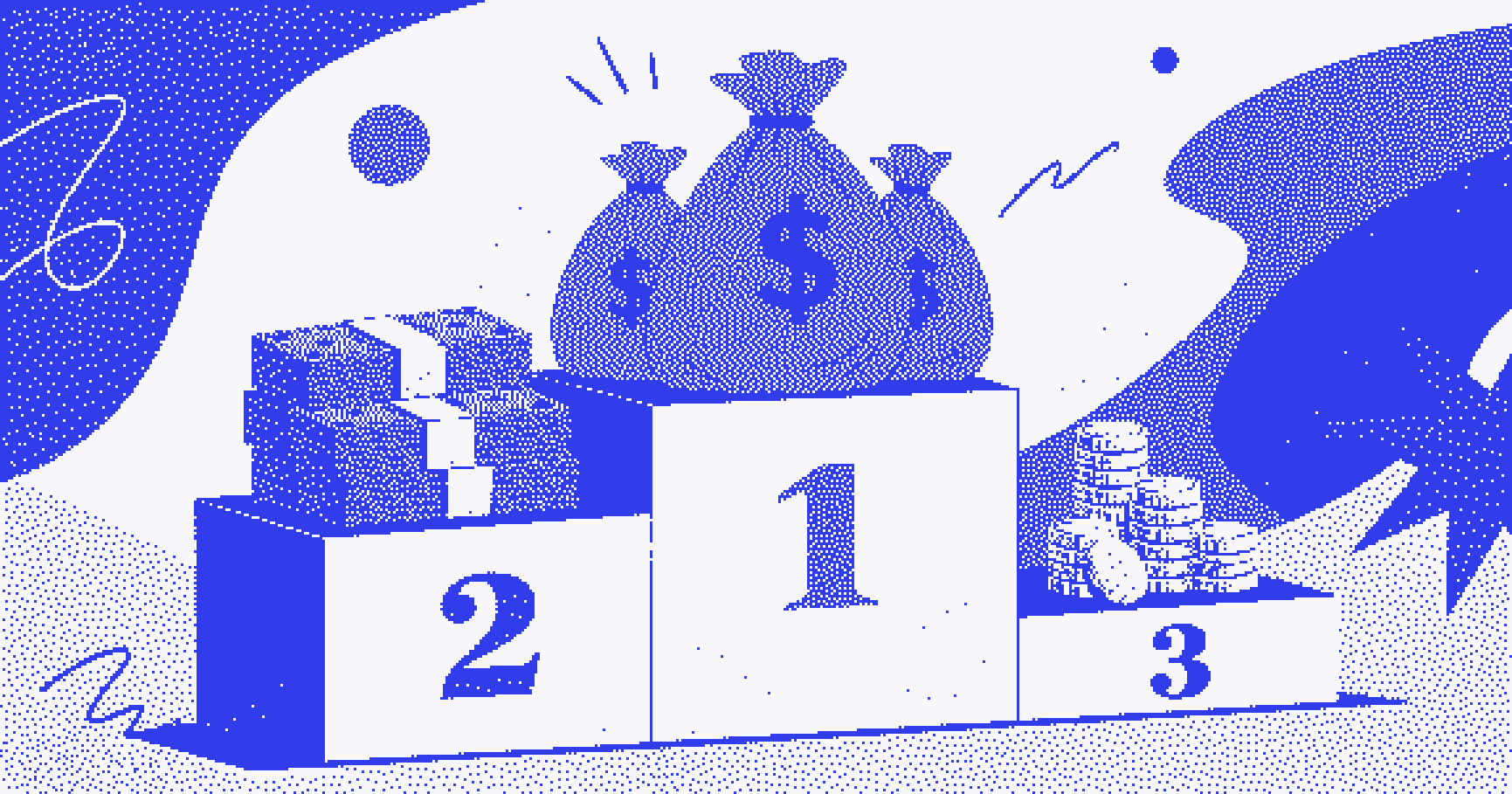
This is a status auction powered by positional scarcity. Only one participant can be number one, so its value is relative rather than intrinsic. Public visibility turns payment into a costly signal, while displacement creates a loss that feels more urgent than an equivalent gain. The loop is simple: bid, appear, get outbid, react, rebid and share the contest.
Examples
The Million Dollar Homepage turned a million pixels into finite advertising real estate in 2005. King of the Ether Throne translated the same rivalry into an escalating blockchain throne, held only until a higher payer arrived. Outbid.lol makes the mechanism explicit for founders and creators: the bid is the rank, and the rank is the product.
Transparent auctions are more honest than pretending rank is purely meritocratic, but they also turn visibility into a zero-sum spending contest. The ethical question is not whether status exists; it is whether the system gives people clear value, clear limits and enough agency to step away.